
Why Employee Housing Has Become Part of the Hiring Decision in Romania
For most of the last decade, staffing agencies in Romania competed on wage, speed of placement, and contract flexibility. Over the past two or three years, a fourth factor has moved up the list for a lot of blue-collar and skilled-trade roles: housing and where the workers will live.
Warehouse operators, manufacturers, construction firms, and logistics companies filling positions across the country are finding that a candidate's decision to accept an offer, and their decision to stay past the first month, increasingly hinges on the accommodation attached to the job.
This is what people in the industry mean when they talk about employee housing, staff housing, or workforce accommodation: lodging arranged, leased, or managed by the employer or its staffing partner, rather than left for the worker to sort out on arrival. It used to be a niche concern for seasonal agricultural labor. It is now a mainstream part of workforce planning in manufacturing, construction, hospitality, and warehousing.
What changed
Romania's domestic labor pool for physically demanding, shift-based roles has been shrinking for years, pushing employers toward workers relocating from other regions of the country and, increasingly, from outside it. A worker moving from Moldova, from elsewhere in the EU, or from a non-EU country under a work permit doesn't have a local network to fall back on for a room. If the employer or staffing partner doesn't arrange housing, the worker may turn down the offer. Or they may spend the first few weeks distracted by an unresolved housing search. Over time, this can lead to absenteeism and early attrition.
There's also a compliance layer that didn't exist in the same form a few years ago. Employers bringing in non-EU workers under Romanian work permits are expected to document accommodation arrangements as part of the permit process, and labor inspections have paid closer attention to worker housing conditions: registered addresses, minimum space per occupant, and basic safety standards. It means housing has shifted from a favor an employer does for workers into a documented part of the hiring process.
What good staff housing solutions actually involve
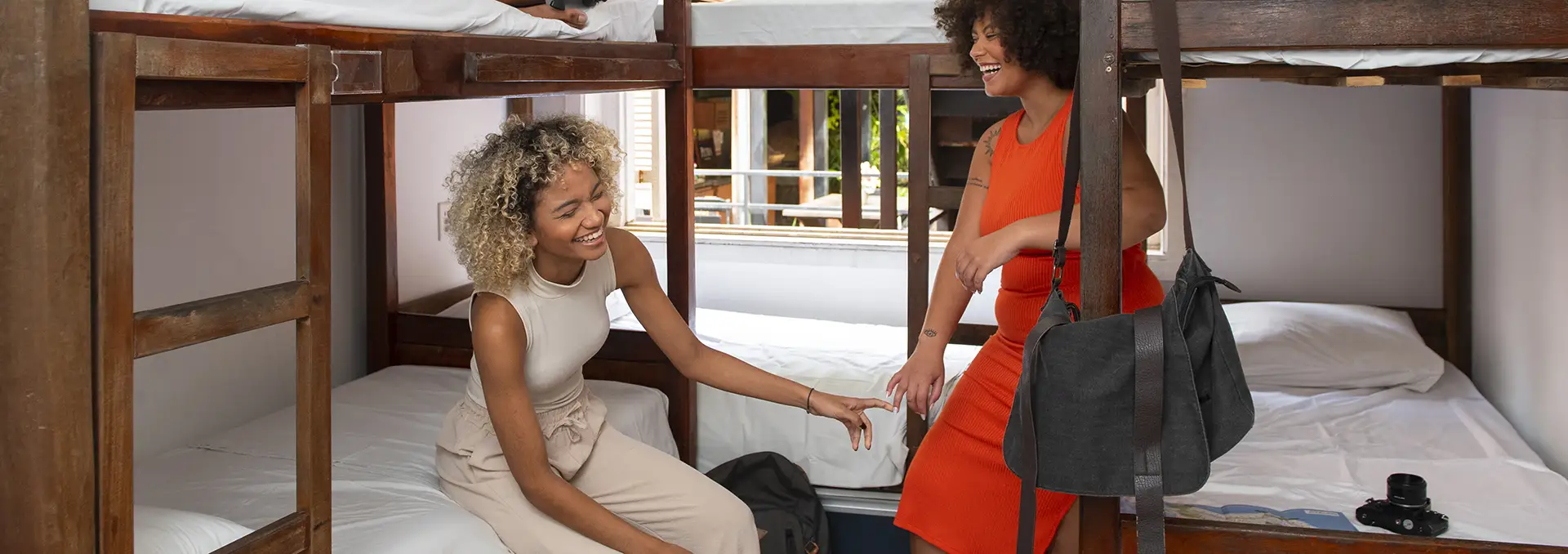
A functioning employee housing setup is less about finding any four walls near the factory gate and more about matching the type of housing to the type of contract. Short seasonal placements usually work better with shared or dormitory-style rooms close to the site, with transport arranged for the commute if the housing itself isn't within walking distance. Longer-term placements, especially for skilled tradespeople the employer wants to retain past one contract cycle, tend to need more privacy and a longer lease commitment, sometimes with a path to the worker's family joining later.
The operational side is where most of the effort actually sits: sourcing units in the right location at the right price, negotiating and renewing leases as workforce numbers shift, handling utilities and basic furnishing, managing turnover as contracts end and new workers arrive, and keeping the paperwork current for whichever inspection or audit comes next. Done well, none of this is visible to the worker beyond a room that's ready when they arrive. Done poorly, it becomes the reason a candidate walks away from an otherwise competitive offer.
Why companies bring in an employee housing agency instead of doing it themselves
Some larger employers still handle accommodation internally, usually through a facilities or HR team already stretched across other responsibilities. It works at a small scale. It gets harder once headcount fluctuates seasonally, or once the workforce is spread across several sites in different regions, each with its own local rental market and compliance quirks.
That's the gap an employee housing agency is built to close. A dedicated housing partner already has relationships with landlords and accommodation operators near the sites employers are hiring for, so units get sourced faster and at better rates than an HR team negotiating cold in an unfamiliar city. It also carries the compliance and documentation load as a standing function rather than something rebuilt from scratch every time a new work permit comes up for renewal. For staffing agencies specifically, folding accommodation into the placement means a candidate gets one point of contact for the job and the room, rather than being handed off to sort out housing separately after signing.
Housing is now part of the pitch, not an afterthought
Recruiters filling blue-collar roles in Romania report that candidates ask about accommodation earlier in the interview process than they used to, sometimes before they ask about the shift pattern. Between two otherwise similar offers, the one with a clear, decent housing arrangement attached tends to close faster. That's a shift worth planning around rather than reacting to after a role has already gone unfilled for weeks.
Innovations Global has its own accommodation capability in Romania for this reason. After expanding into blue-collar outsourcing in 2024, we added labor accommodation to support it, so recruitment, staffing, and employee housing solutions now sit under one roof rather than three separate vendors a client has to coordinate between. It's a practical response to what employers keep telling us: filling the role and housing the worker have stopped being two different problems!